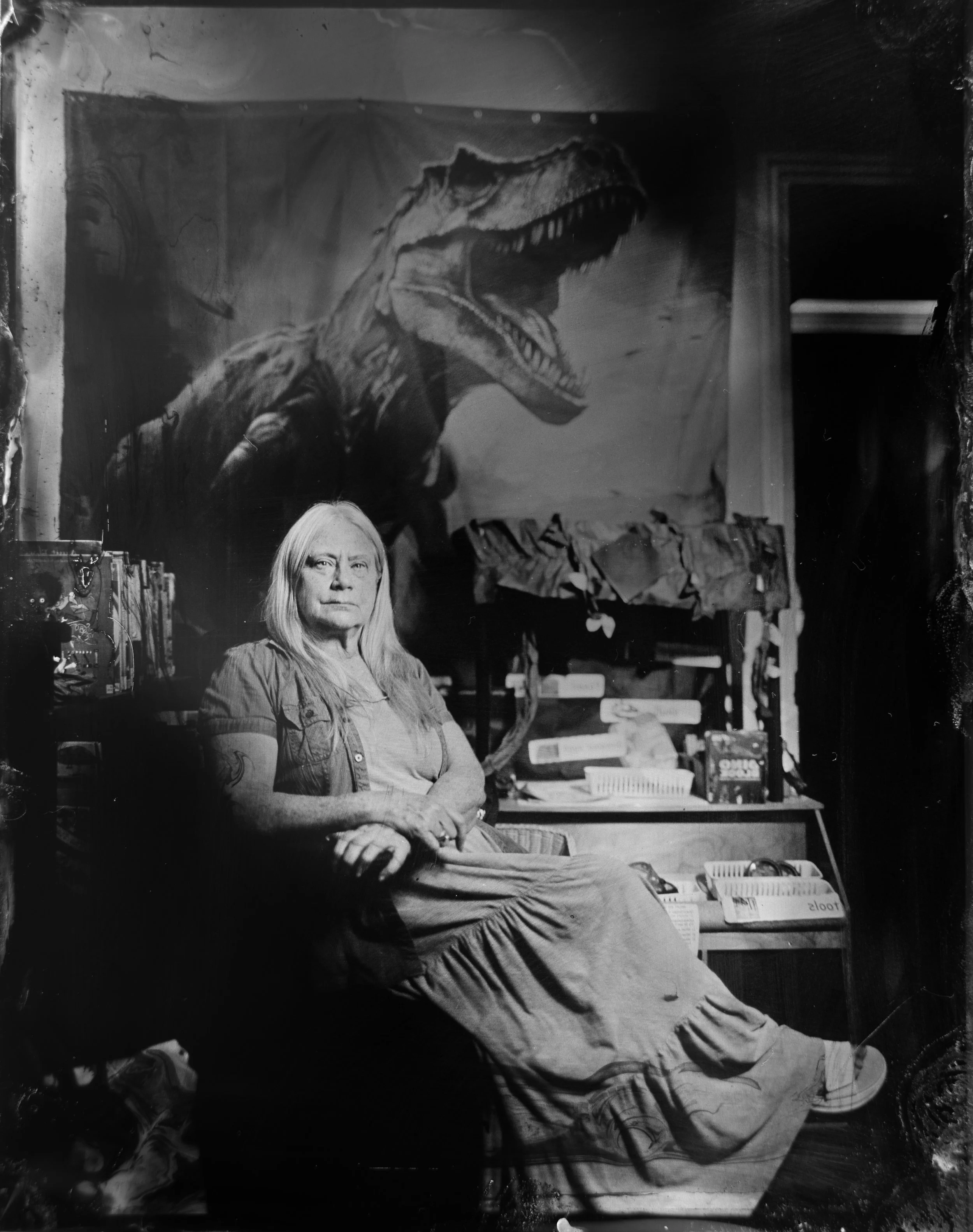
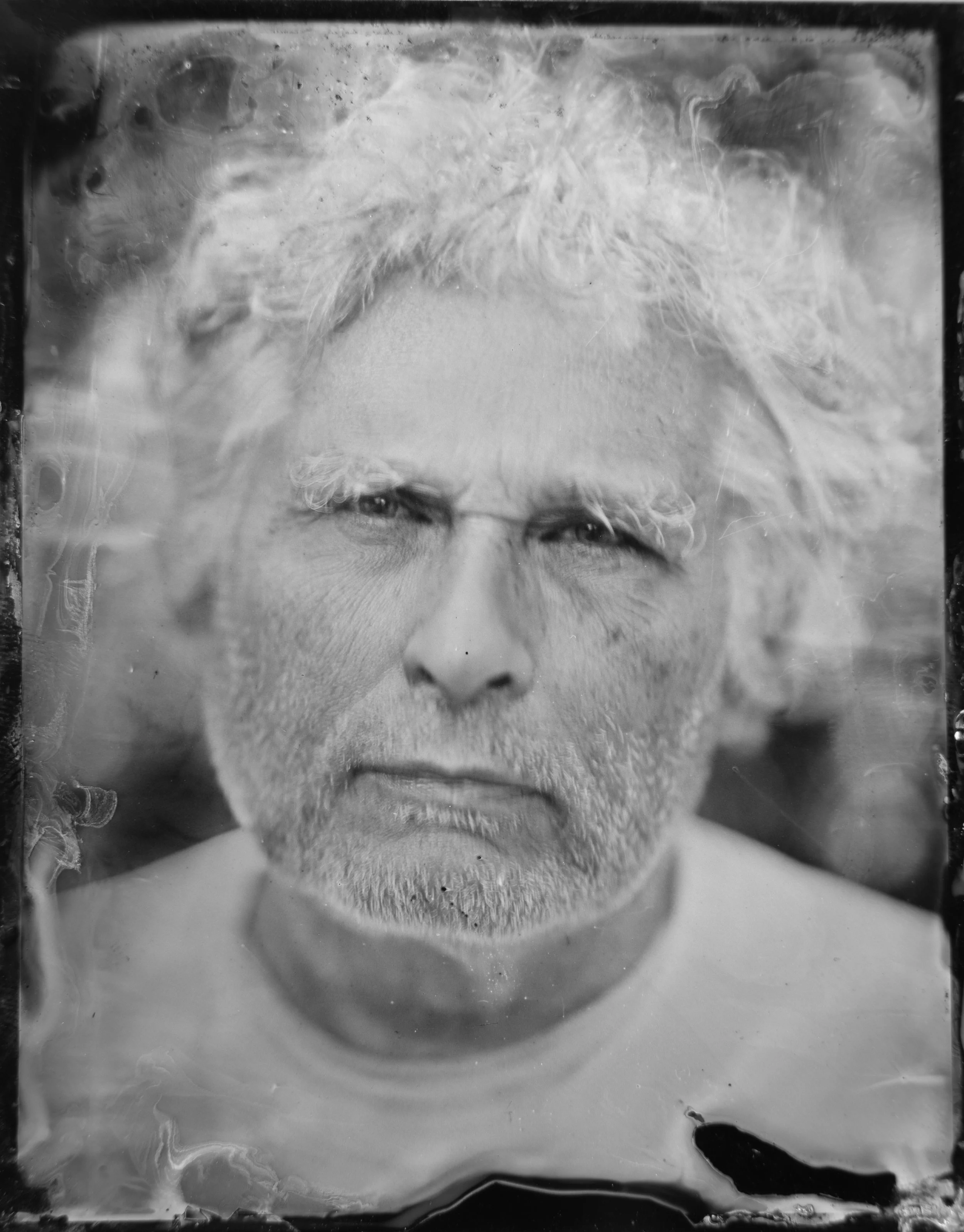
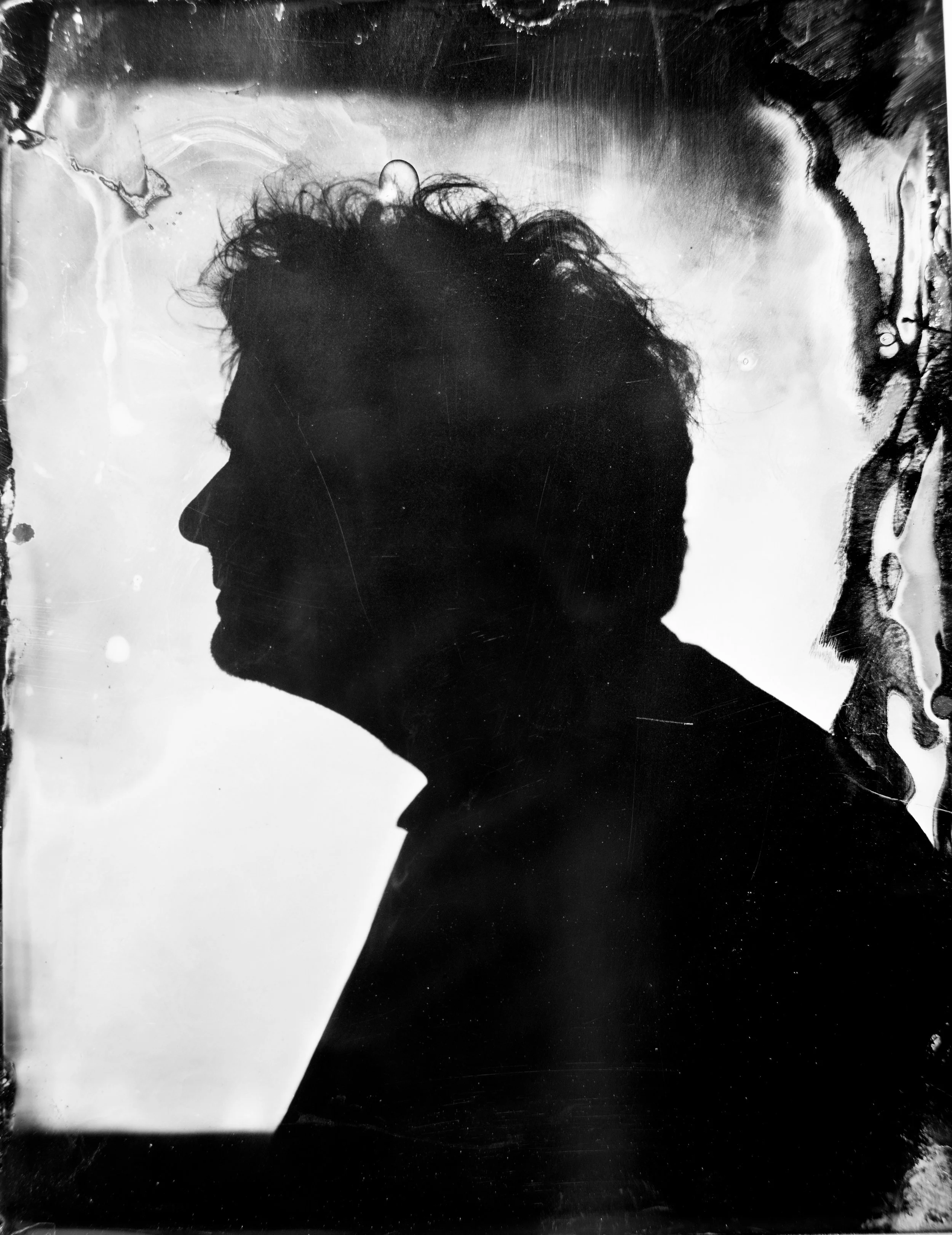
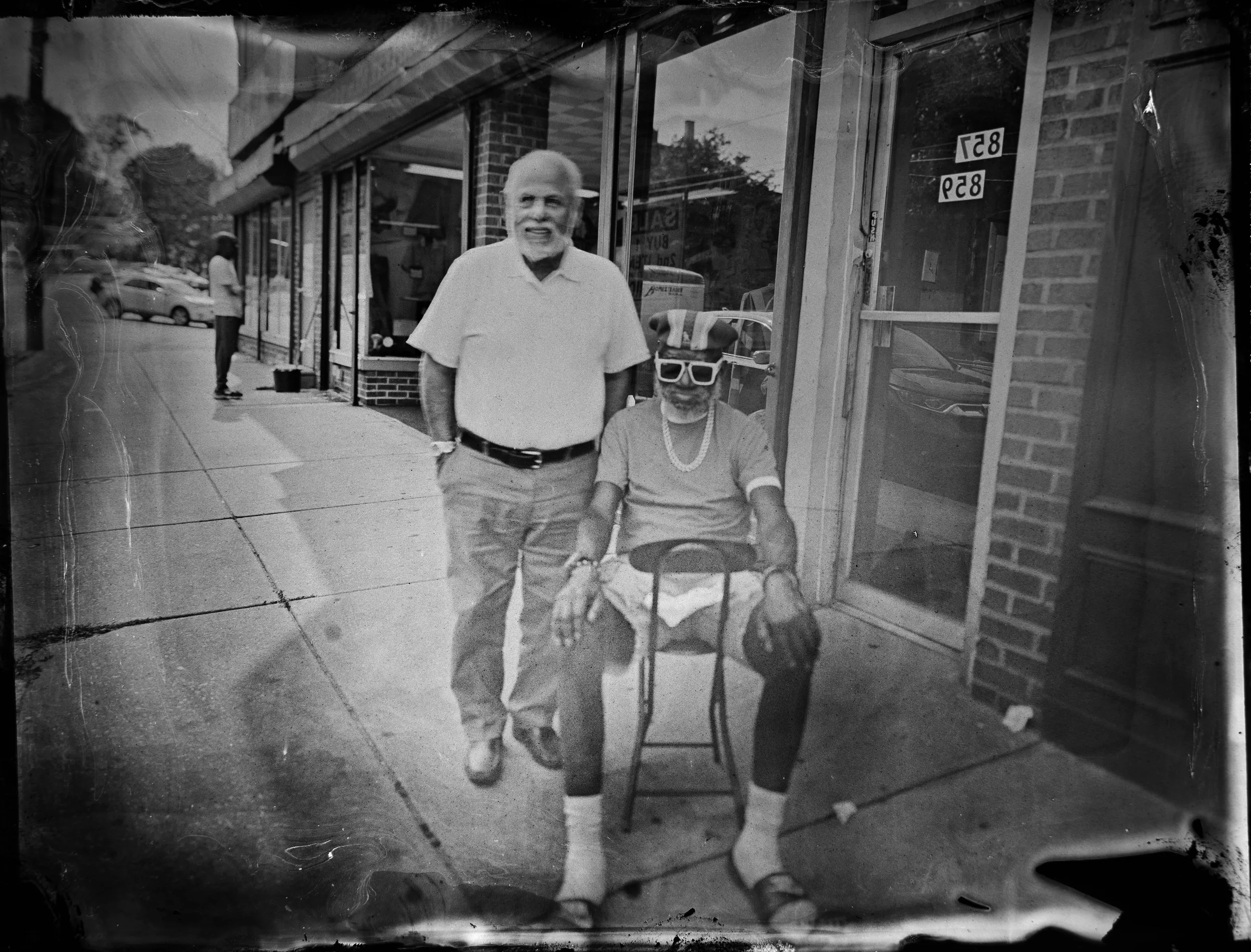
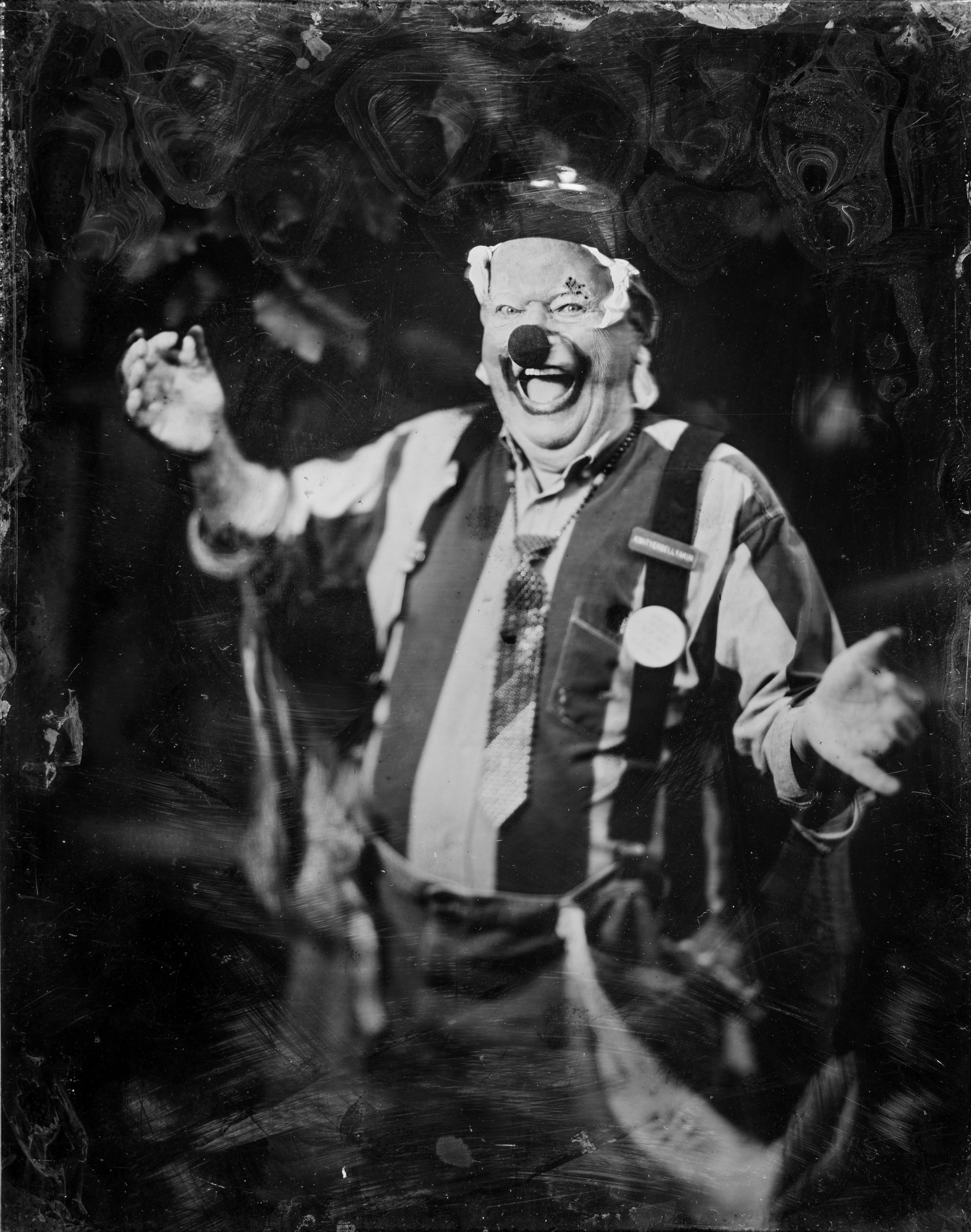
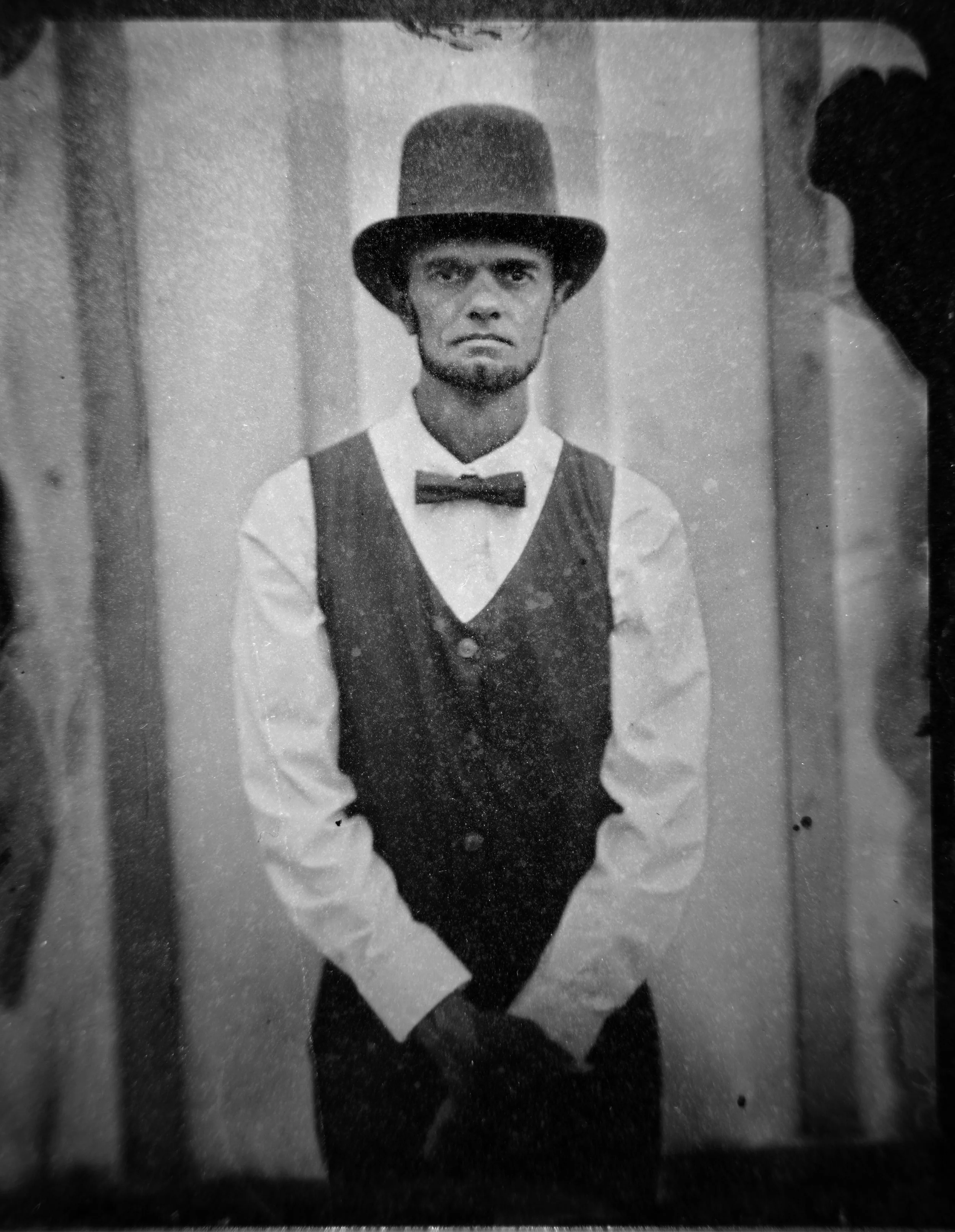
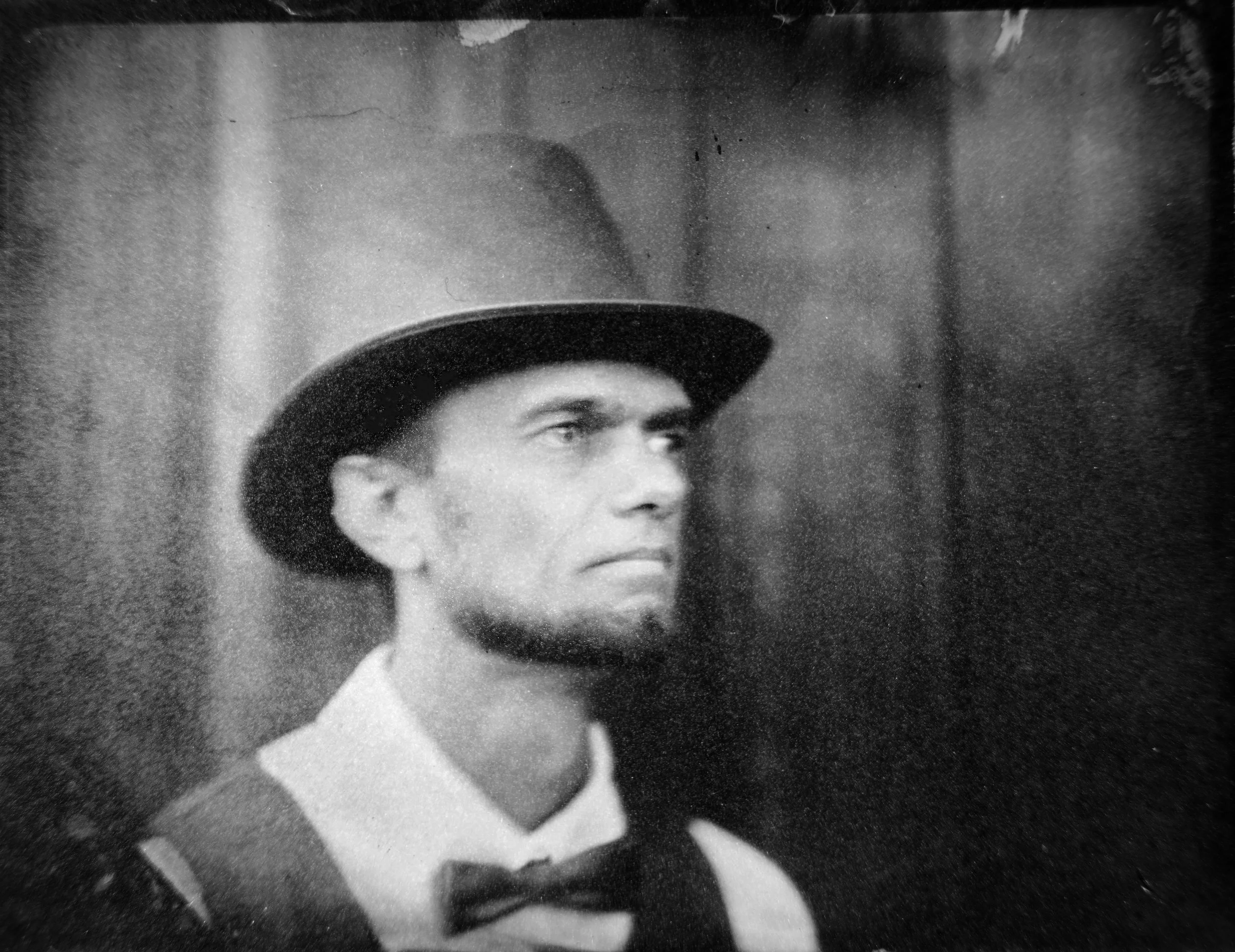
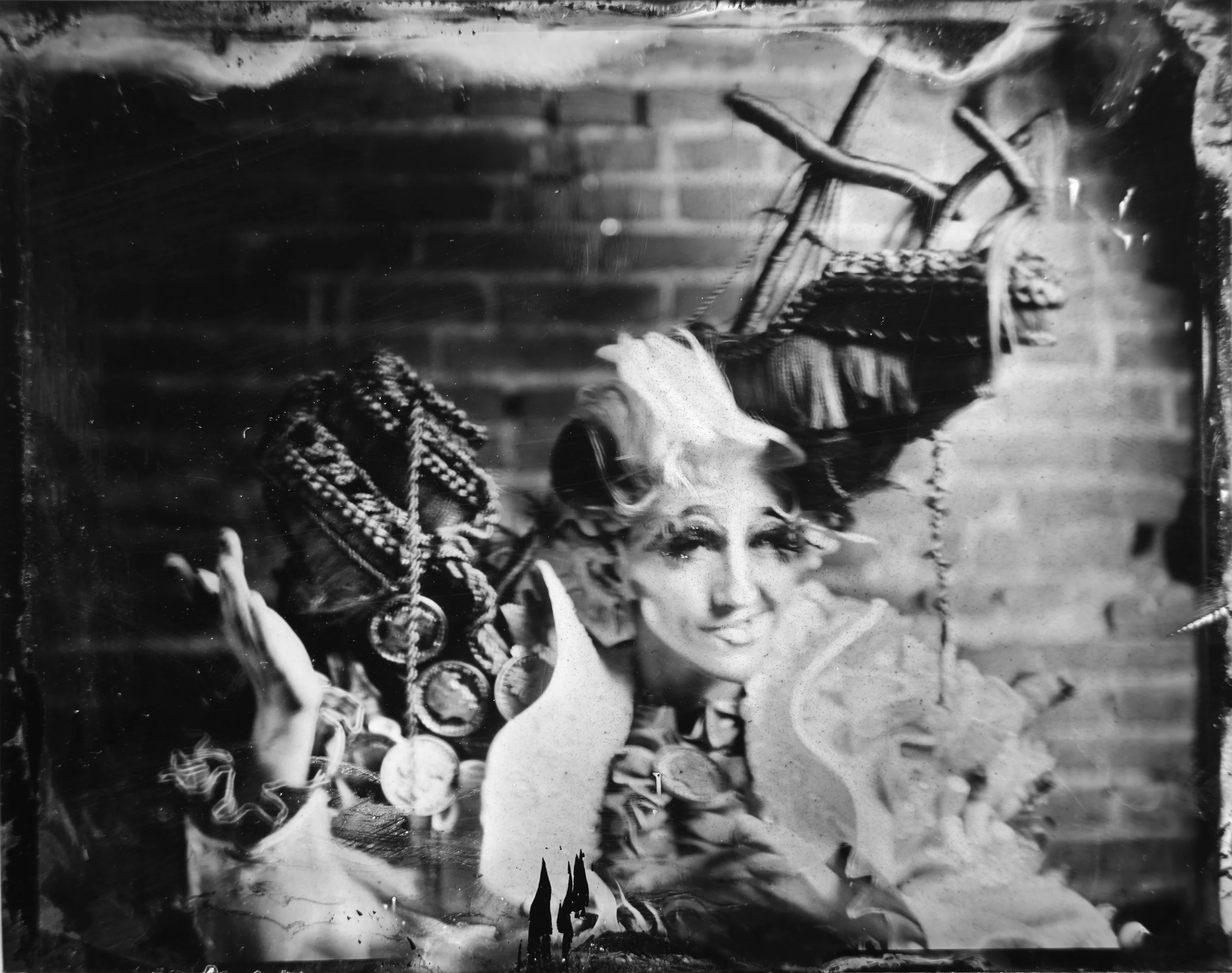
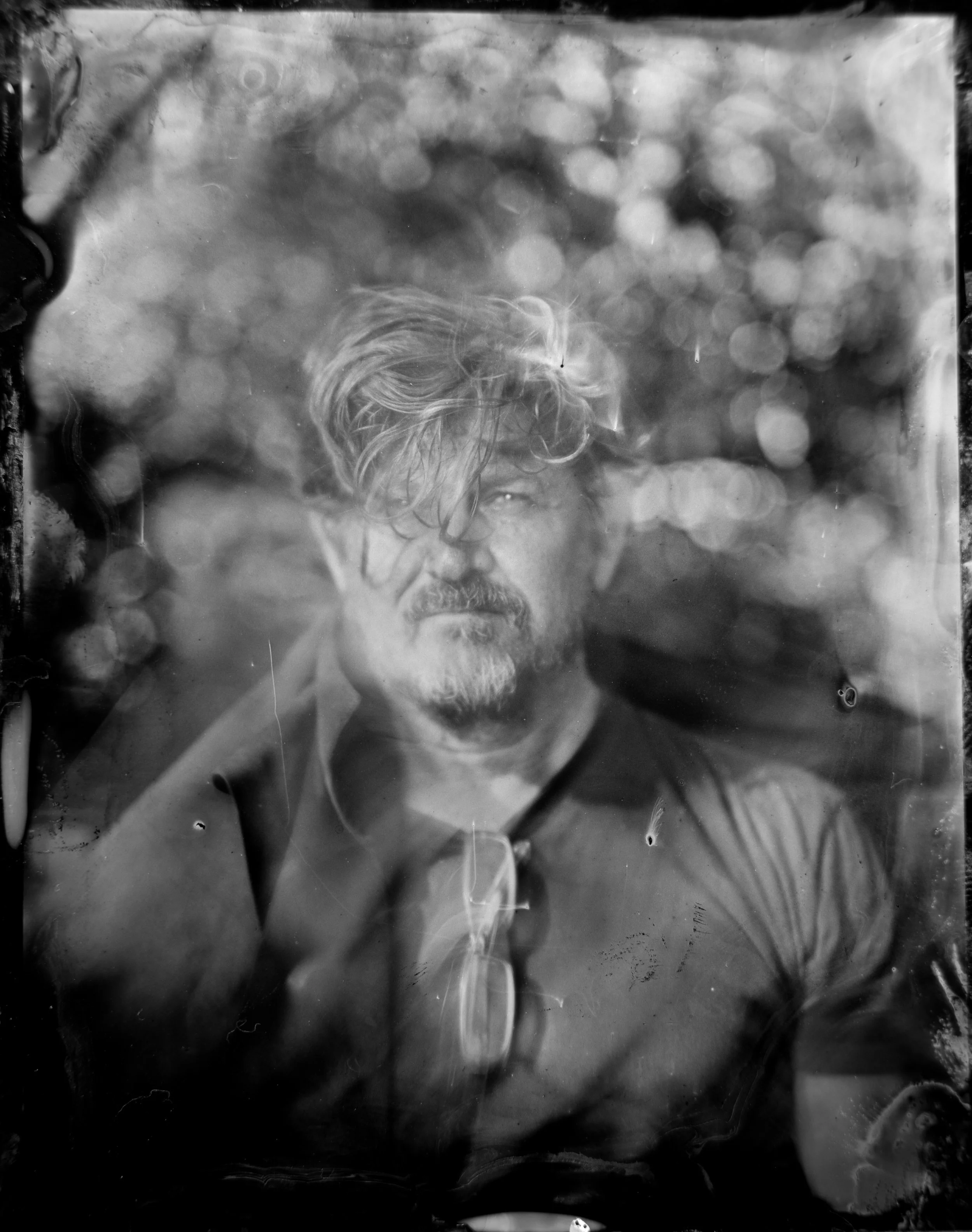
For 133 rodeos, John Kelly Poorman was Avis T-Bone McGroin. The clown makeup was not his first, or last, mask.
For 15 years, Poorman ran “Kelly Crew,” a crack team that organized the arena and kept everything on track in the early years of the International Gay Rodeo Association circuit. “Now gay rodeo is 50 years old, but back then it was just starting, and people were desperate for it. There were people in the rodeo who said no photographs because they were hiding who they were,” he explains.
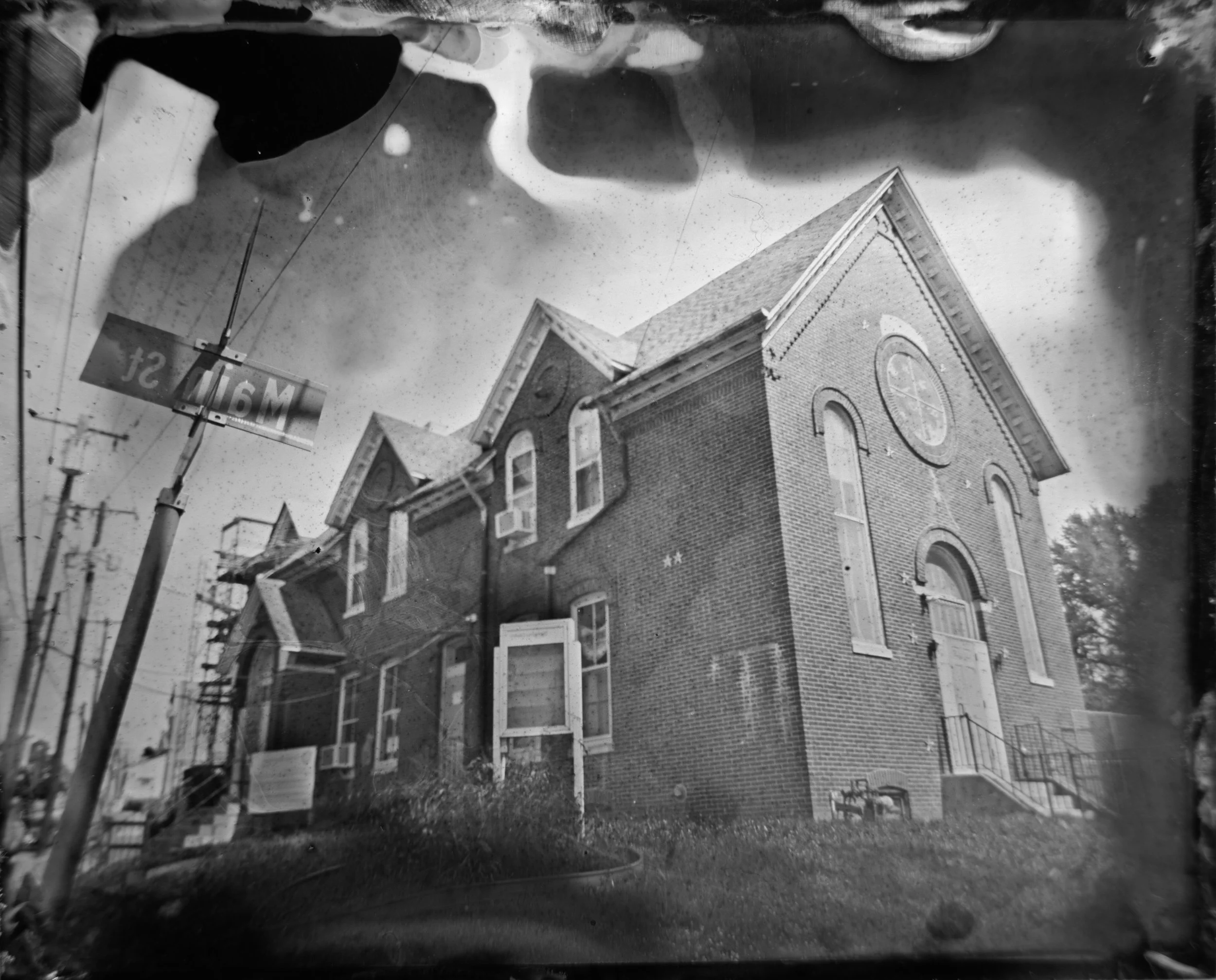
His journey began in an abusive home on Main Street in Boalsburg, Pa. His life brought him full circle.
“I grew up thinking I was the only gay person in the world. I lived in Boalsburg. There were no gay people that I knew of,” Poorman remembers. “I have always been fearful of putting myself out there, because I might get hurt, in real ways…That’s why people have multiple personalities. It is a survival mechanism. I know people by the way they talk to me. All the rodeo people call me Kelly. In my church, since my dad’s name was John, they called me Little Jackie. For my books I am J. Kelly Poorman. I tell people ‘In three states I’m Trixie.’ So, depending on who's talking to me and how they talk to me, I know what persona I need to be in front of them. I still use my masks all the time, I’ve just become aware of them.”
When “Little Jackie” was 17 years old, he heard God sigh, and his life changed.
He was in the back row of the choir at St. John’s church on a warm Sunday in May, 1965. A whispered message telegraphed through the choir that it was too hot to wear the church robes. Poorman thought to himself that, compared to the suffering Jesus endured, why worry about such a slight discomfort?
“I heard a sigh, the kind of sigh that says, ‘you’ve finally got it.’ It was coming from my left, but there was no one seated to my left. Just an open window. I looked outside and that’s when I felt the presence of God for the first time.”
When he told the pastor about the moment, the reverend asked, “During what part of my sermon did that happen?” When Poorman the sermon has nothing to do with it, the pastor replied, “Then it probably wasn’t God.”
“He went on to say that the devil had many ways of trying to get my soul. I didn’t know what to think. I figured if the devil could reach inside a church and get my soul, what kind of chance did I have out in the street? How could God let that happen? I had it rough enough being queer. I took a step back from the church and a bigger step from God.”
Poorman’s family grew up at St. John’s. His mother was brought to the church when she was just one year old. She prayed there for a better marriage when her husband beat her. She kicked him out when he started beating the kids. The congregation stood by her in the early 1960s when she became one of the first women in the small town to be a single parent.
Poorman couldn’t wait to get out of Boalsburg. He left the family home on Main Street, joined the Army and served eight years. He lived in California for 25 years. For seven years he was married to a women (“I desperately wanted to be straight,” he says). He worked the rodeo, and traveled the country as a portrait photographer. When he was 45 years old, he started writing books and short stories based on his experiences. His first novel, Roman and Jules, is about unrequited love on the gay rodeo circuit.
Then, in 1998, he planned a three-week visit to see his mother back in Boalsburg. One morning while he was in town, she suffered congestive heart failure and a torn rotator cuff. That day, Poorman’s life changed again. He became a caregiver back in the childhood home on Main Street that he thought he had left for good.
He settled back into the St. John’s church community with the understanding that being gay wasn't a problem.
One day he was told the congregation was not comfortable with him being a mentor for an all-boys confirmation class.
He wrote a play based on his struggles for acceptance as an openly gay Christian, “All the Little Children: An Inclusionary Tale.”
In the play, a congregation faces an all-or-nothing moment: Accept that being gay and a good Christian are not incompatible or lose a faithful and lifelong member for good.
The play was performed by area churches and on a national level at the General Synod of the United Church of Christ in Grand Rapids, MN.
Today Poorman is a leader in his congregation and carries keys to the St. John’s chapel.
No more masks.